Understanding Telegram data structures for compliant audience growth
Telegram presents a rich landscape for communities and creators who want to connect with audiences in a secure and privacy-respecting way. Rather than focusing on scraping or unauthorized data access, this guide explains how Telegram organizes its data, what you can access through official channels, and how to leverage this knowledge to grow a legitimate, engaged following.
The core components: chats, channels, and groups
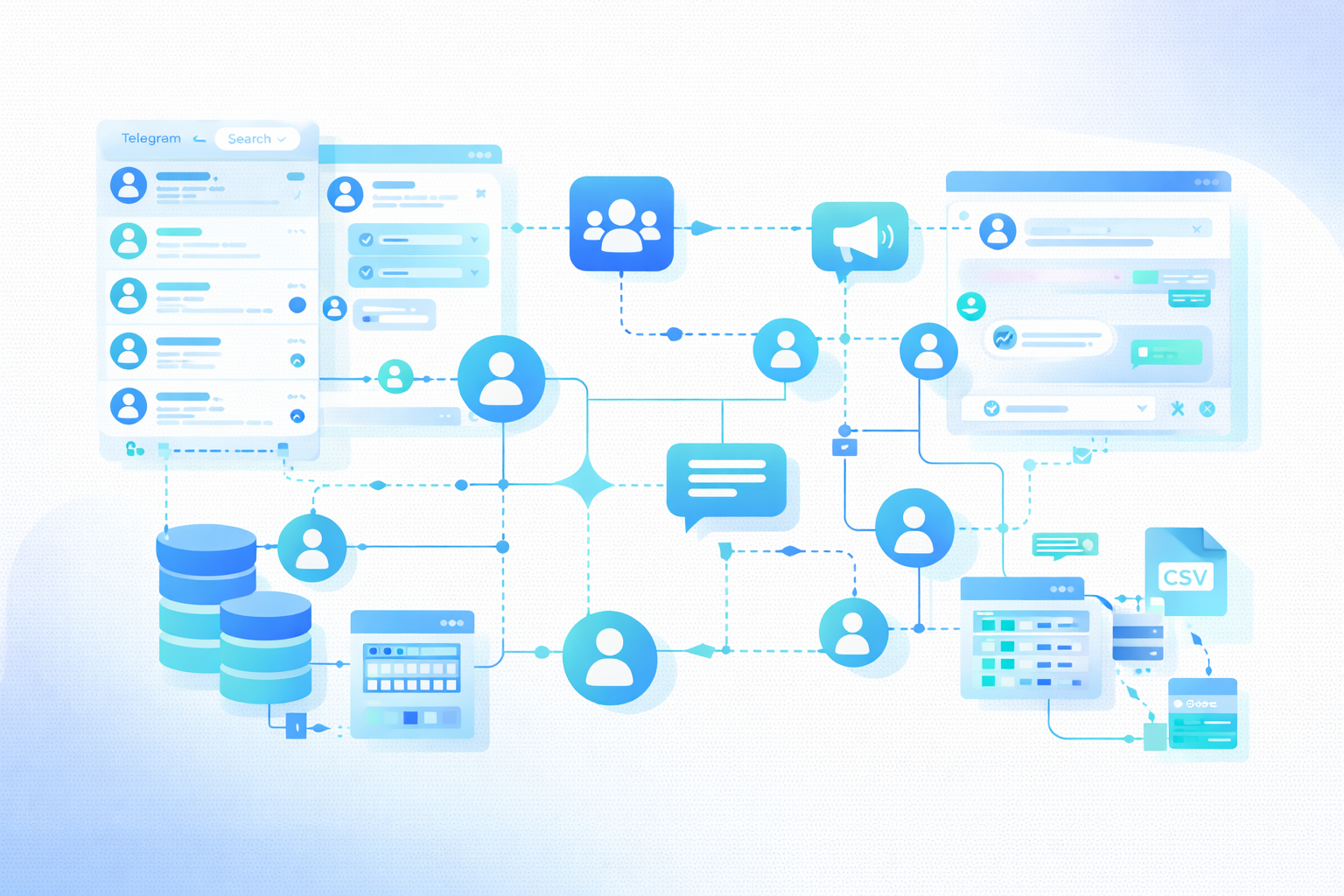
At the heart of Telegram’s architecture are three primary chat types that define how conversations are organized and people interact. Channels are broadcast spaces where a single or small team can share messages with a large audience. Groups are collaborative spaces where members can engage in discussions, ask questions, and contribute content. Private chats are one-to-one conversations, while public channels and groups offer discoverability through usernames and links. Understanding these distinctions is essential for designing content strategies that align with user expectations and platform policies.
Access through official channels: Bots and the Telegram API
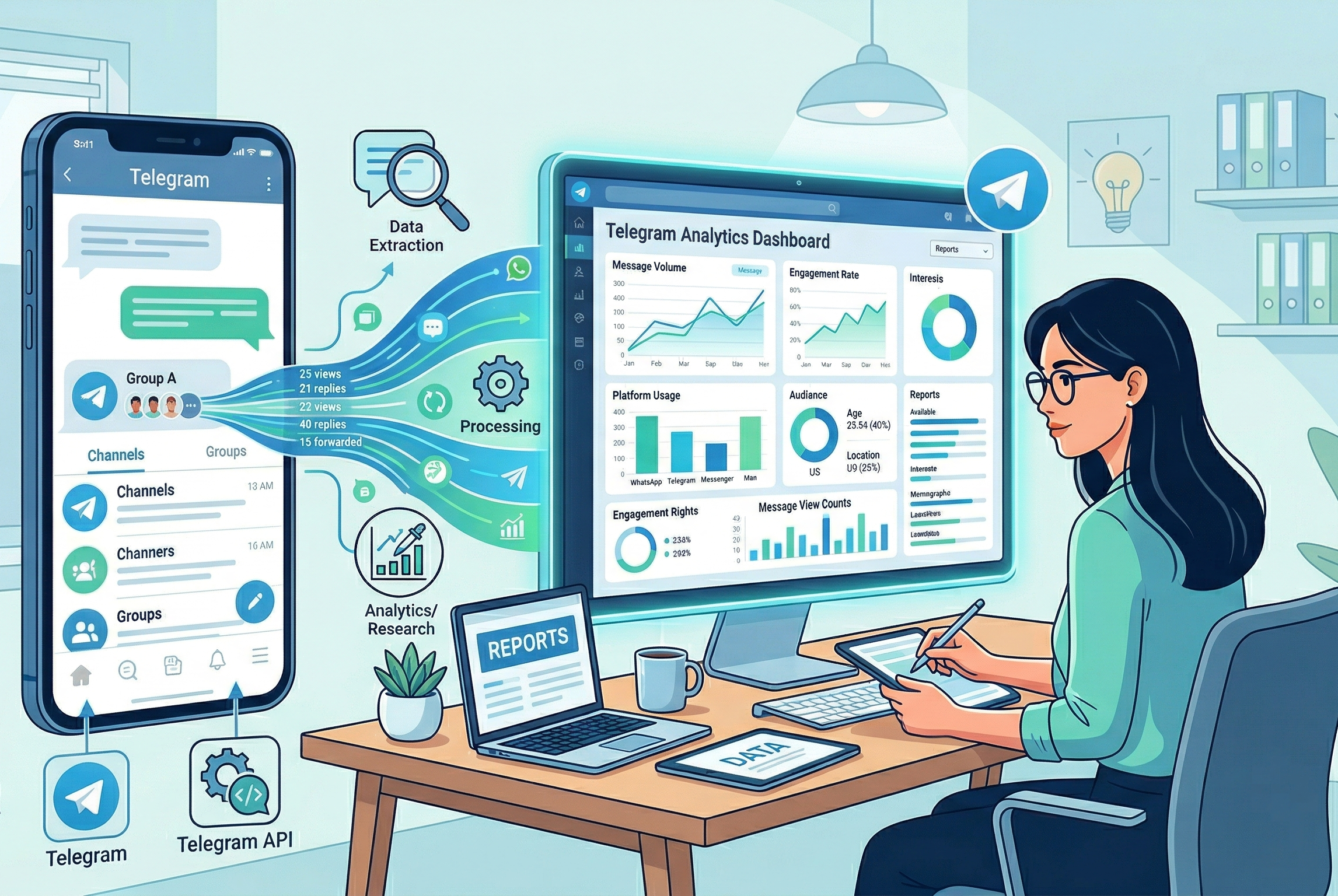
Telegram offers official APIs that enable developers to build features in a controlled, compliant manner. The Bot API provides a structured interface for sending messages, receiving updates, managing subscribers, and creating interactive experiences within channels and groups. The Telegram clients and MTProto APIs give access to more advanced capabilities, but they come with strict rules and extensive security requirements. The key principle is user consent and transparent data handling. When building tools for audience engagement, rely on public channels, opt-in participation, and clear privacy notices to keep trust intact.
Data types you’ll encounter: users, messages, and metadata
User objects include visible profile information, such as display name and username, while privacy settings determine what others can see. Messages contain content, timestamps, and metadata like chat identifiers and sender IDs. Metadata also covers information about participation, such as join dates and membership status, which is strictly protected by Telegram’s privacy model. Recognizing the boundaries between content data and metadata helps ensure strategies respect user privacy while delivering value through compliant analytics and engagement.
Discoverability and reach: public vs. private spaces
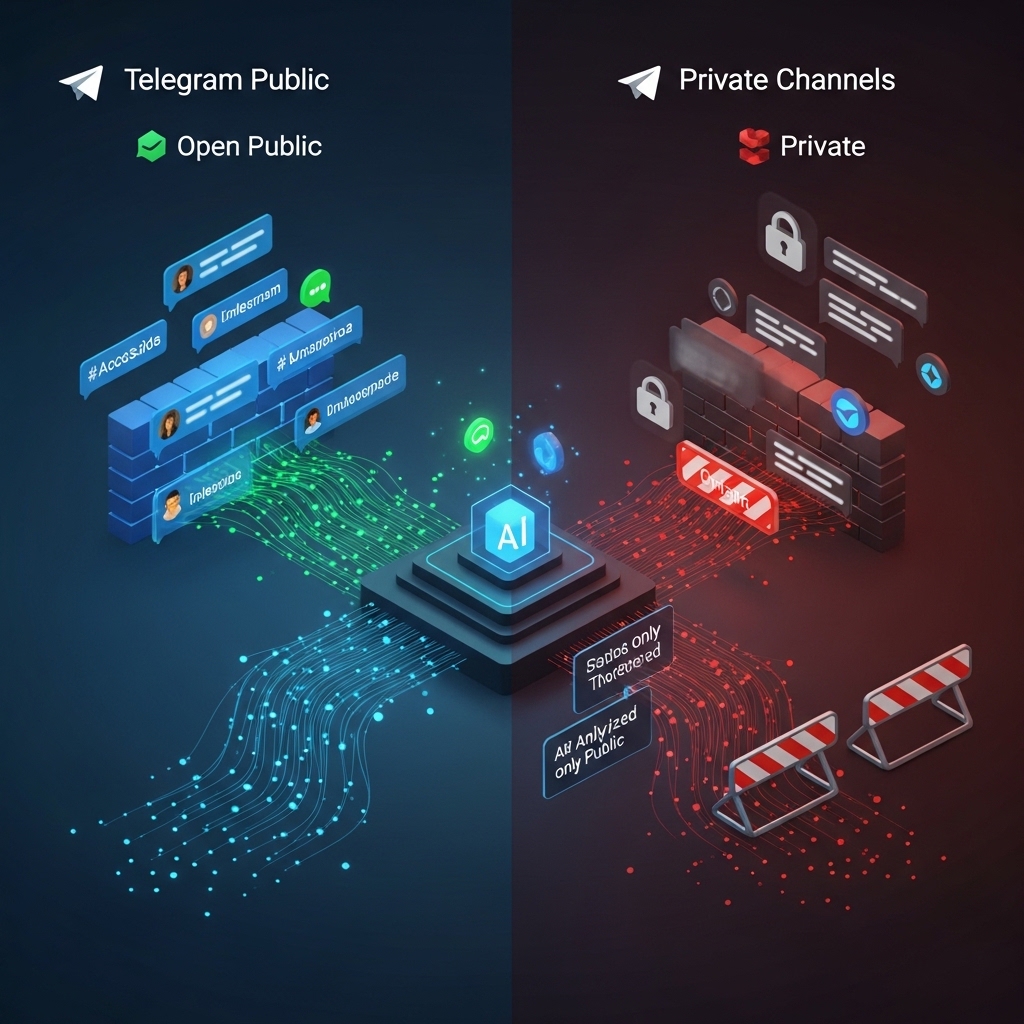
Public channels and groups provide discoverable spaces where users can join via usernames or invitations. In these environments, creators can share high-quality content, engage with audiences, and build communities around topics of interest. Private chats and private groups require consent to access and participation, reinforcing a user-centric approach to data and interaction. Any growth strategy should prioritize permission-based engagement, meaningful value, and transparent data handling to maintain compliance and trust.
Content strategy aligned with user intent
A successful Telegram presence hinges on content that matches what members want to achieve. For channels, this means consistent, valuable broadcasts—updates, insights, tutorials, or behind-the-scenes glimpses—that respect frequency limits and avoid overwhelming subscribers. In groups, the emphasis shifts to conversation quality, moderation, and facilitation that fosters respectful dialogue. In all cases, content should be crafted to answer real user questions, solve problems, or provide entertainment in a way that invites voluntary participation.
Privacy-first analytics and measurement
Tracking engagement without compromising privacy is a delicate balance. Use aggregated, opt-in metrics to assess performance: open rates, interaction levels, and retention can often be inferred from public engagement signals without eroding trust. When implementing analytics, anonymize data, limit access to sensitive information, and maintain clear retention policies. Transparent reporting about how data is collected and used will reinforce credibility with your audience and help satisfy regulatory expectations.
Compliance and best practices for ethical growth
Respect for user privacy is not optional; it is foundational. Always obtain explicit consent before collecting any data, provide easy opt-out options, and publish a privacy policy that outlines how information is used. Stay updated with Telegram’s terms of service and API usage guidelines to ensure tools and integrations remain compliant. Build communities around consent, value, and mutual respect, and avoid any activity that could be perceived as invasive or deceptive.
Practical steps for compliant audience engagement on Telegram
– Focus on high-quality content that answers specific questions or solves real problems within your niche.
– Use public channels and groups to reach interested users, inviting participation through opt-in invitations and clear value propositions.
– Implement official tools such as Bots for onboarding, updates, and interactive experiences, ensuring users opt in and can opt out easily.
– Moderation and community guidelines should be transparent and consistently applied to maintain a safe, welcoming environment.
– Protect member privacy by avoiding unnecessary data collection and by anonymizing analytics wherever possible.
– Regularly review your privacy notices and consent mechanisms to stay aligned with evolving regulations and platform policies.
Ethical considerations when reaching Telegram audiences
Transparency builds trust. Always disclose how you will use any data collected, who will have access, and how long it will be retained. Provide clear channels for feedback and complaints, and respond promptly to concerns. Honor user preferences, such as notification settings and content relevance, to minimize disruption and respect autonomy. Ethical engagement isn’t just a regulatory box to check; it strengthens the relationship with your audience and enhances long-term viability.
Technical readiness: choosing the right tools
For legitimate growth, select tools that adhere to Telegram’s policies. Bots should be implemented with explicit user consent, with features that add real value rather than harvest attention. When integrating with Telegram APIs, conduct thorough security reviews, implement proper authentication, and maintain robust data protection practices. A well-architected toolkit will deliver consistent results while safeguarding user trust.
A forward-looking approach: building resilient communities
The most sustainable Telegram presence is built on offering consistent value, fostering genuine interactions, and maintaining a privacy-first mindset. By understanding the data structures at a high level and leveraging official channels for engagement, creators and brands can cultivate loyal communities that feel seen and respected. The goal is to empower members to participate on their terms, share meaningful insights, and contribute to a collaborative experience that benefits everyone involved.
In summary, a compliant and effective approach to growing on Telegram hinges on clear content strategy, permission-based engagement, and strict adherence to privacy and platform guidelines. By focusing on public channels and groups, leveraging official APIs for safe interactions, and maintaining transparent data practices, audiences can be reached responsibly while delivering exceptional value. This approach not only protects users but also strengthens credibility, trust, and long-term success in the dynamic world of Telegram communities.