Understanding the Risks of Telegram Member Scraping
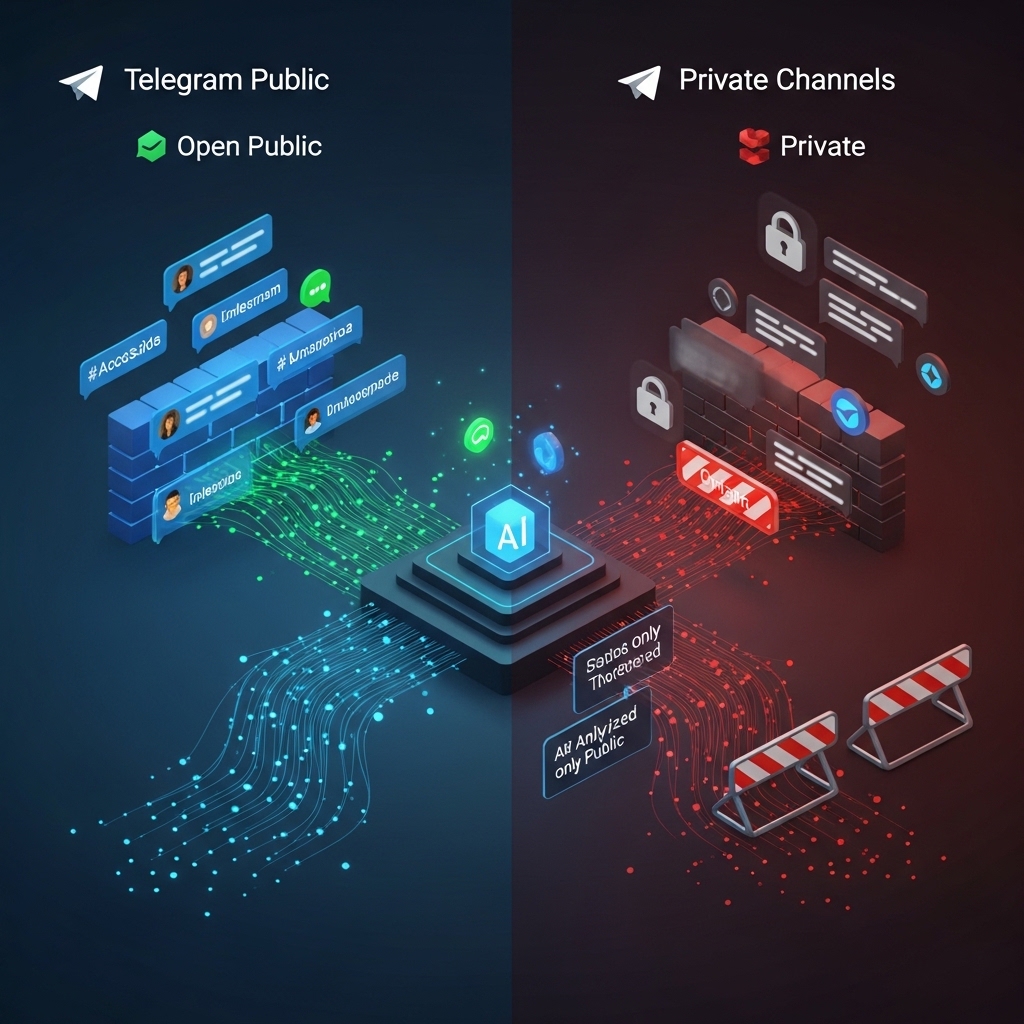
Trying to gather contact details or behavioral data by scraping Telegram group or channel members sounds like a fast path to insights, but it comes with significant ethical, legal, and practical risks. Telegram’s terms of service prohibit automated collection of user data in ways that invade privacy or misuse contact information. Beyond policy, there are heightened privacy expectations in today’s digital landscape, and slipping up can damage trust, trigger complaints, or invite regulatory scrutiny. Even if a method seems technically feasible, the long-term consequences for your brand, reputation, and market research program can be costly and unrecoverable.
Ethical Alternatives for Market Research
Rather than scraping, focus on permission-based, transparent approaches that deliver reliable insights while protecting user privacy. Start with voluntary participation: public polls, surveys, and short interviews embedded in groups or channels with explicit consent. Use opt-in forms and clear explanations of how responses will be used. Leverage partnerships with community admins to share surveys or feedback threads, ensuring members retain control over their data. Employ qualitative methods like listening sessions, Q&A threads, and user-generated content analysis, always respecting platform rules and member boundaries. For quantitative signals, rely on aggregated, non-identifiable metrics such as engagement rates, sentiment trends, and topic popularity, rather than individual member data.
Emerging Techniques That Respect Privacy
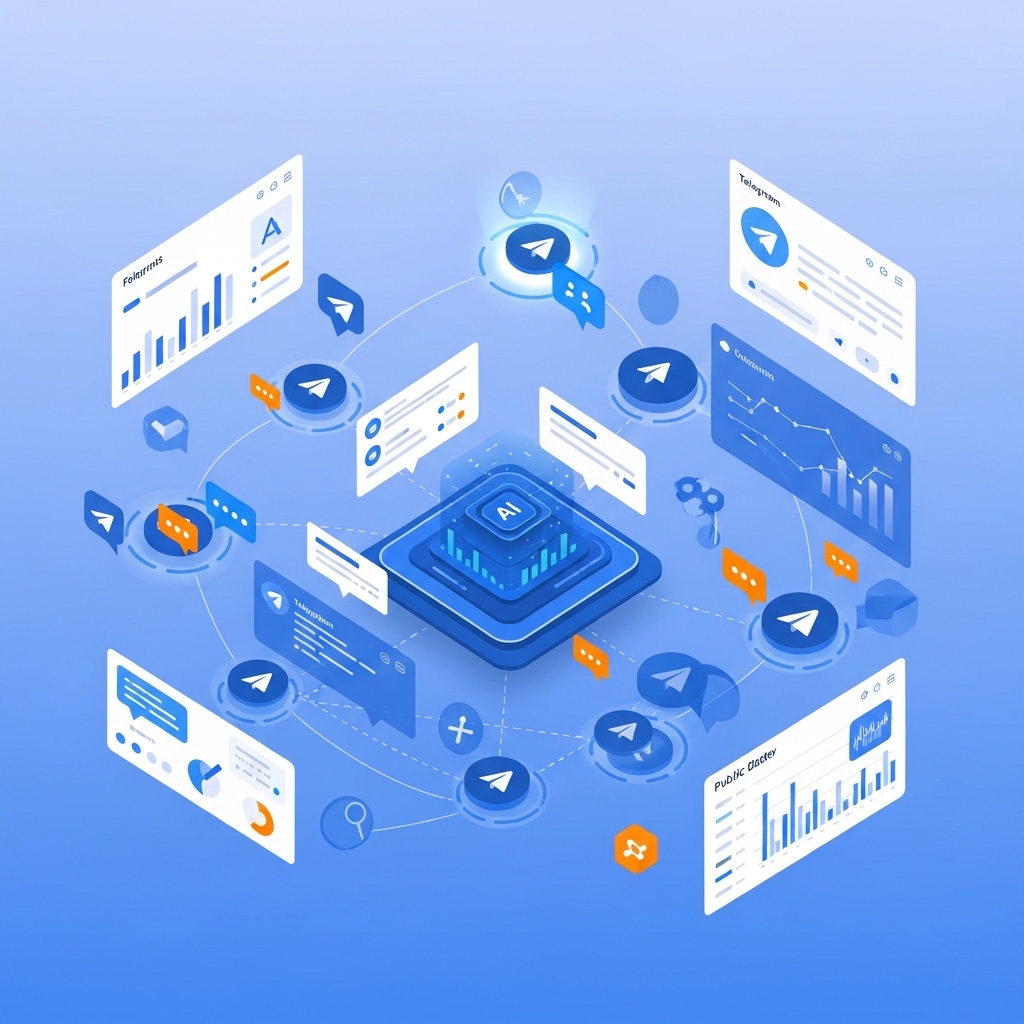
– Content analysis of public posts: Analyzing what topics generate discussion, how frequently certain keywords appear, and how engagement evolves over time can reveal market interests without touching personal data.
– Polls and sentiment tracking: Deploy native Telegram polls or bot-based surveys with opt-in responses to gauge preferences while giving participants control over their information.
– Anonymized cohort insights: Segment insights by public group or channel themes (e.g., interest areas, geographic signals if disclosed publicly by members) rather than by individuals.
– Competitive benchmarking using public signals: Track publicly available indicators such as post frequency, engagement on specific topics, and growth patterns across related communities.
Crafting a Privacy-First Market Research Plan
1. Define goals with privacy in mind: Clarify what you want to learn and why, ensuring the research cannot be accomplished through non-sensitive, aggregated data.
2. Secure consent and transparency: If you collect any data directly from participants, provide clear purposes, usage, retention timelines, and opt-out options.
3. Limit data collection: Gather only what you need to answer your research questions. Avoid collecting contact details, personal identifiers, or behavior traces.
4. Anonymize and aggregate: When possible, transform data to remove identifiers and present findings as trends rather than individuals.
5. Align with regulations and Terms of Service: Review GDPR, CCPA, and local laws, plus Telegram’s terms, to ensure compliance and protect user rights.
6. Partner with community admins: Work with admins to establish guidelines, promote ethical participation, and reinforce trust.
Trust-Building with Telegram Communities
Trust is the currency of effective market research. Transparent communication about how insights will be used, plus visible member protections, strengthens participation willingness. Offer value in return—exclusive insights, early access to reports, or helpful feedback on product ideas—without pressuring members to disclose personal information. Maintain a respectful tone, avoid sensational claims, and demonstrate that you value privacy as a core principle of your brand.
Measuring Impact Without Intrusion
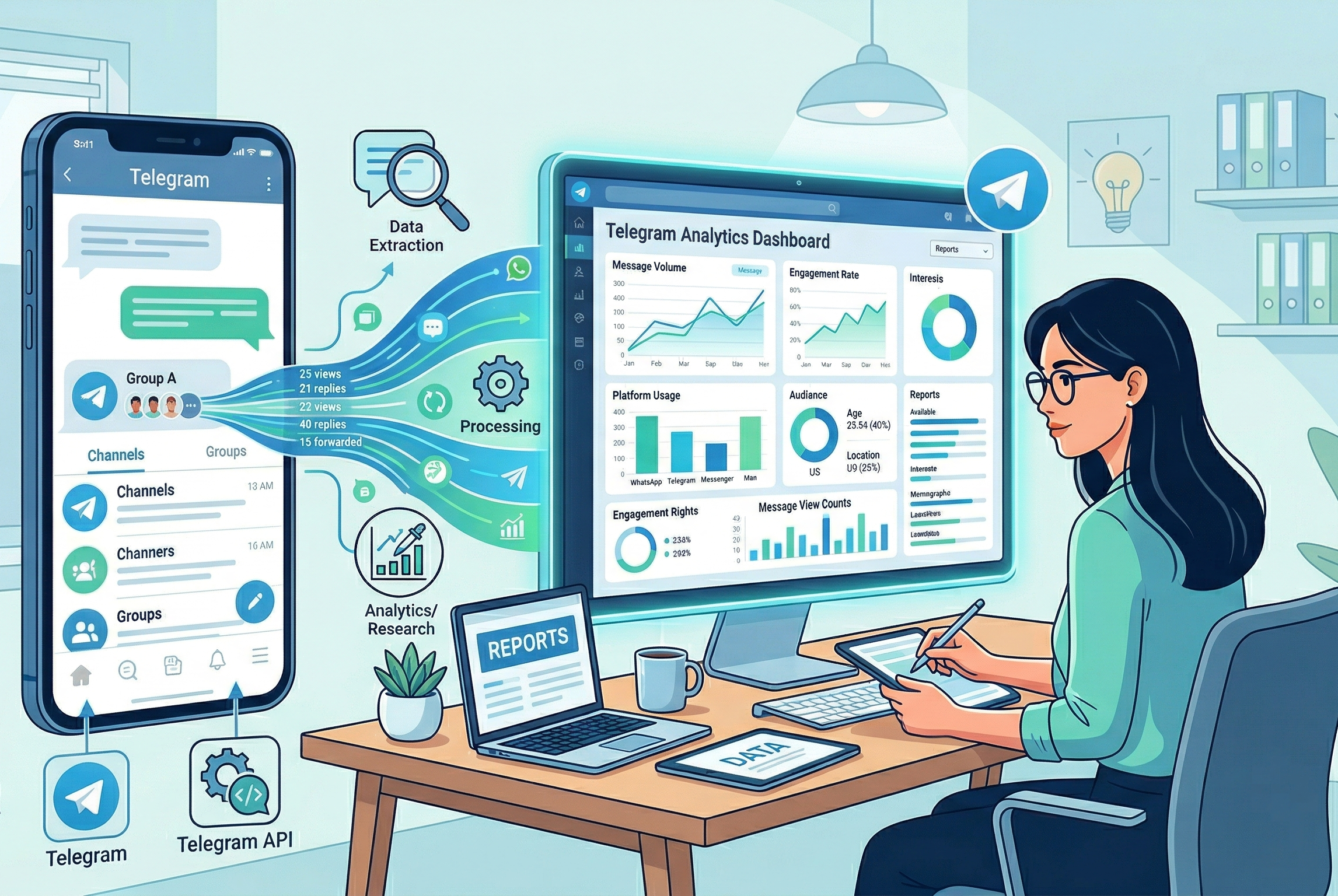
Use public-facing metrics to gauge your research outcomes. Track engagement changes after surveys or polls, monitor sentiment shifts over time, and correlate topic interest with product or content strategy improvements. Report findings in aggregated formats that no longer reveal any individual’s data. When sharing results, emphasize actions taken to protect privacy and how these insights informed strategic decisions. This approach not only preserves trust but often yields more sustainable, high-quality insights.
Tools and Techniques That Align with Best Practices
– Native platform features: Use Telegram’s polls, quizzes, and pinned messages to gather input without data leakage.
– Anonymous feedback channels: Create a dedicated feedback bot or channel where members can share suggestions anonymously.
– Public content analytics: Monitor trends in discussions, identifying evergreen topics and seasonal shifts to inform content calendars and product ideas.
– Survey platforms with opt-in integration: Employ reputable survey tools that support consent management and anonymization, then share aggregated results back to the community.
Ethical Considerations for Businesses
Respect for user autonomy is essential. Ill-gotten data can undermine trust, trigger backlash, or lead to reputational harm. When in doubt, err on the side of consent and transparency. Transparent privacy notices, easy opt-out options, and a clear explanation of ethical research practices help build a sustainable relationship with communities. Demonstrating a commitment to privacy can become a differentiator that enhances brand credibility and fosters long-term engagement.
Case studies and practical examples
A gaming brand wanted to understand what motivates Telegram communities around casino-themed content without violating privacy. They partnered with several public groups to host hosted Q&A sessions and weekly polls about preferences in game features, responsible gaming, and content formats. All responses were collected via opt-in polls, and aggregated insights informed a content strategy that emphasized responsible play, educational guides, and interactive formats. The result was higher engagement, better alignment with community interests, and no data privacy concerns.
Another approach involved content analysis of publicly available discussion threads to identify recurring questions and pain points. By focusing on themes rather than individuals, the team could map demand signals and tailor product updates, tutorials, and FAQs to address common concerns. This method yielded actionable intelligence while preserving member privacy and complying with platform rules.
Maintaining credibility in your research
The most trustworthy market research respects user choice and platform guidelines. When you publish insights, frame them with a privacy-centric narrative: what was learned, how it was learned, and how privacy considerations shaped the conclusions. Demonstrating ethical rigor not only protects your brand but also invites more authentic participation, since communities recognize and value responsible research practices.
Balancing speed with responsibility
While scraping can feel like a shortcut, the long-term benefits of privacy-respecting research often outweigh the immediate gains. Implementing ethical methods may require more planning and patience, but it builds a solid foundation for repeatable, scalable insights. Start with small, permission-based studies, refine your approach, and gradually expand to larger programs that uphold privacy as a core principle.
Future-proofing your approach
As digital ecosystems evolve, privacy expectations will intensify. Staying ahead means continuously refining consent mechanisms, data minimization practices, and transparency. Invest in training for your team on ethical data practices, regularly audit data collection methods, and maintain open dialogue with community admins and members. This proactive stance positions your brand as a trusted partner for market research, rather than a risky data collector.
By embracing responsible research strategies, marketers can uncover meaningful signals within Telegram communities without compromising privacy or trust. This approach fosters sustainable relationships with audiences, supports compliant and ethical decision-making, and yields insights that drive meaningful, user-centered outcomes.