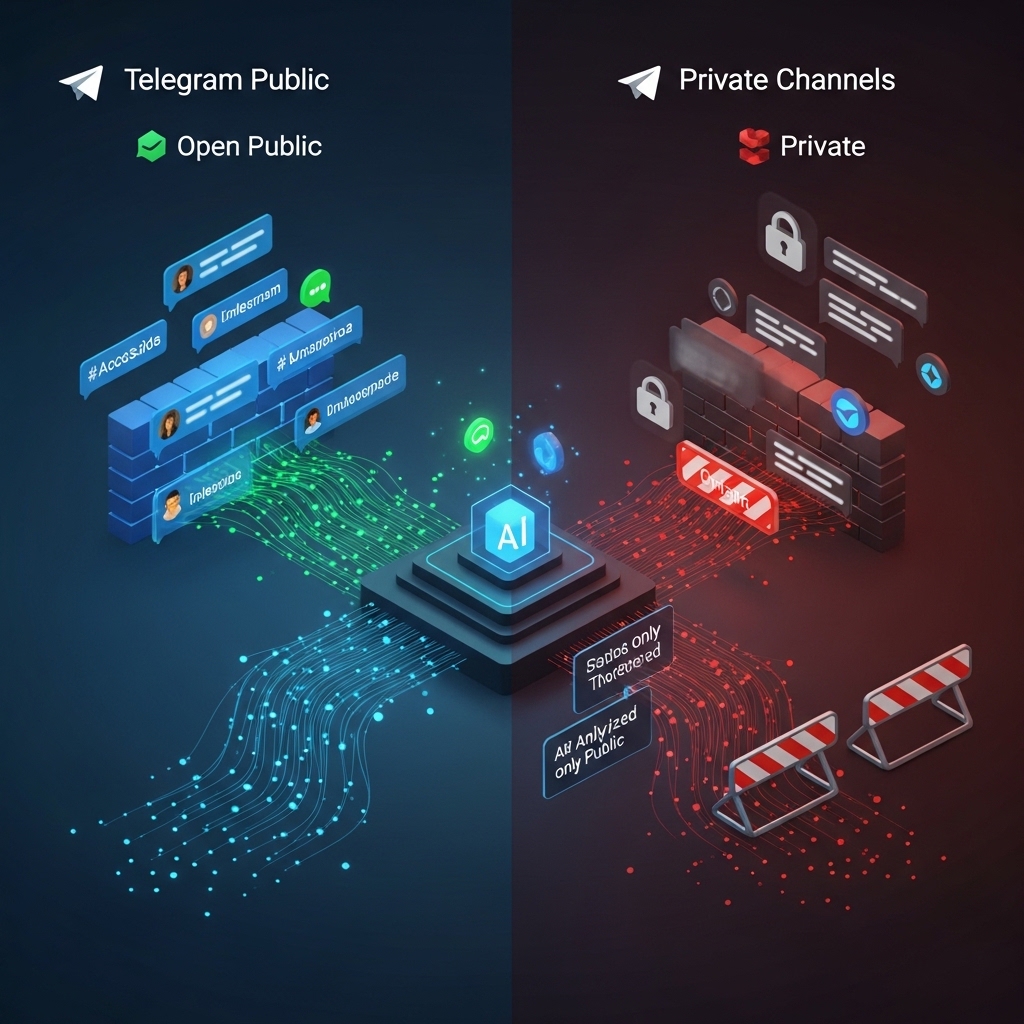

Building a compliant Telegram data pipeline: from collection to storage
Understanding the ethical and legal landscape
In a world where data travels at the speed of light, respecting user privacy is not optional—it’s foundational. A compliant Telegram data pipeline begins with clear intent, explicit user consent where applicable, and strict adherence to data protection regulations such as GDPR and relevant regional laws. Rather than chasing sheer volume, prioritize data minimization, purpose limitation, and transparent data use. This means asking: what data is truly necessary, how will it be used, and who will have access? By anchoring the project in privacy-by-design principles, organizations protect users, build trust, and avoid costly compliance pitfalls down the line.
Designing a compliant approach from collection to storage
A responsible data pipeline maps a careful path from collection to storage, with privacy and security woven into every layer. Start by defining the data capture policy: only collect data that serves a legitimate, stated purpose and obtain consent where required. Use authenticated access controls and robust authentication mechanisms to ensure that data is read only by authorized personnel and systems. Implement data minimization at the source, and establish retention schedules so data is not kept longer than necessary. When thinking about storage, choose encrypted databases and secure data lakes, with granular access controls, audit trails, and regular security testing. Regularly review data flows to ensure they remain aligned with evolving regulations and industry best practices.
Data governance, transparency, and user rights
Effective governance is the backbone of trust. Create a data catalog that documents what data is collected, its provenance, how it’s processed, who can access it, and for what purpose. Publish a clear privacy notice that explains data handling in plain language, including user rights such as access, correction, deletion, and portability. Build processes to respond to data subject requests promptly and accurately. Establish an incident response plan that details detection, containment, remediation, and communication in the event of a data breach. By maintaining openness about data practices, organizations demonstrate accountability and strengthen confidence among users and partners.
Choosing compliant tools and compliant API usage
Leverage Telegram’s official APIs and terms of service as the foundation for any data-related activity. Using the platform’s sanctioned interfaces helps ensure interoperability with safeguards designed by the platform itself. Avoid methods that bypass protections, scrape data without consent, or disrupt service integrity. When integrating tools, prefer solutions that offer built-in privacy controls, access management, and data lineage features. Evaluate vendors for privacy certifications, security benchmarks, and clear data processing agreements. The goal is to work with technologies that support compliance rather than complicate it.
Technical architecture overview for a privacy-conscious pipeline
A compliant data pipeline architecture emphasizes secure data ingress, controlled processing, and protected storage. Data ingress should be mediated by authenticated services that enforce least-privilege access and purpose-based data handling. Implement pseudonymization or tokenization where possible to reduce identifiability in intermediate stages. Processing layers should incorporate access controls, data quality checks, and activity logging to support accountability. Data at rest must be encrypted with modern standards, and data in transit should use strong encryption with certificates and secure protocols. Storage layers require segmenting data by role and function, maintaining immutable audit logs, and enforcing automated purge rules aligned with retention policies. Regular security assessments, vulnerability scanning, and penetration testing should be part of a continuous improvement cycle.
Data quality, accuracy, and ethical considerations
Quality data begins with clear data definitions and validation at the source. Establish schemas, validation rules, and anomaly detection to catch inconsistencies early. Ethical considerations include avoiding profiling tendencies that could harm individuals or groups, and ensuring data usage aligns with declared purposes. When aggregating data across groups or channels, ensure that individuals cannot be re-identified through combination with other datasets. Document data provenance and transformation steps so stakeholders can trace how data evolves from collection to insight.
Operational safeguards and risk management
Operational resilience hinges on robust monitoring and risk controls. Implement anomaly detection to spot unusual access patterns or data requests that may indicate misuse. Enforce MFA for administrative access, rotate credentials, and implement least-privilege access for all services and users. Maintain a formal risk register that prioritizes privacy, security, and regulatory compliance issues. Schedule regular training on data protection, phishing awareness, and secure coding practices to keep teams aligned with best practices.
From collection to insight: practical, compliant workflows
For teams focused on legitimate uses such as channel analytics, member engagement metrics, or compliance reporting, the workflow is built around consent, visibility, and control. Start with a documented data collection plan that specifies data types, sources, and purposes. Use consent banners or opt-in mechanisms where required, and ensure that users can withdraw consent easily. Transform data within secure, isolated environments to prevent exposure of raw data. Apply role-based access to analytics dashboards so that only authorized stakeholders can view sensitive information. When generating insights, ensure results are aggregated and de-identified where possible, avoiding the exposure of individual profiles or contact details.
Security-by-default strategies for a resilient pipeline
Security should be the default setting, not an afterthought. Implement encryption at rest and in transit, with strong key management and rotation policies. Use secure coding practices, regular code reviews, and automated security tests in the CI/CD pipeline. Employ real-time monitoring for unusual activity, with alerting that escalates to incident response promptly. Maintain an up-to-date inventory of data assets, dependencies, and configurations to reduce the attack surface. Practice proactive privacy impact assessments for new data uses or features to catch potential concerns early.
Documentation, compliance, and ongoing governance
Maintain comprehensive documentation that covers data flows, processing activities, security controls, and governance roles. Keep records of data processing agreements, vendor assessments, and regulatory mappings. Regularly audit data practices to verify compliance with internal policies and external regulations. Provide stakeholders with transparent reporting on data handling, security incidents, and corrective actions. Ongoing governance reinforces trust and ensures that the data pipeline remains aligned with evolving legal and ethical expectations.
A trustworthy foundation for data-driven decisions
A compliant Telegram data pipeline balances the power of data with the responsibility of privacy. By prioritizing consent, minimalism, robust security, and transparent governance, organizations can unlock valuable insights while protecting users. The result is a scalable, reliable, and trustworthy platform that supports informed decision-making, complies with global standards, and earns the confidence of users, partners, and regulators alike.