Public Telegram data: what is accessible
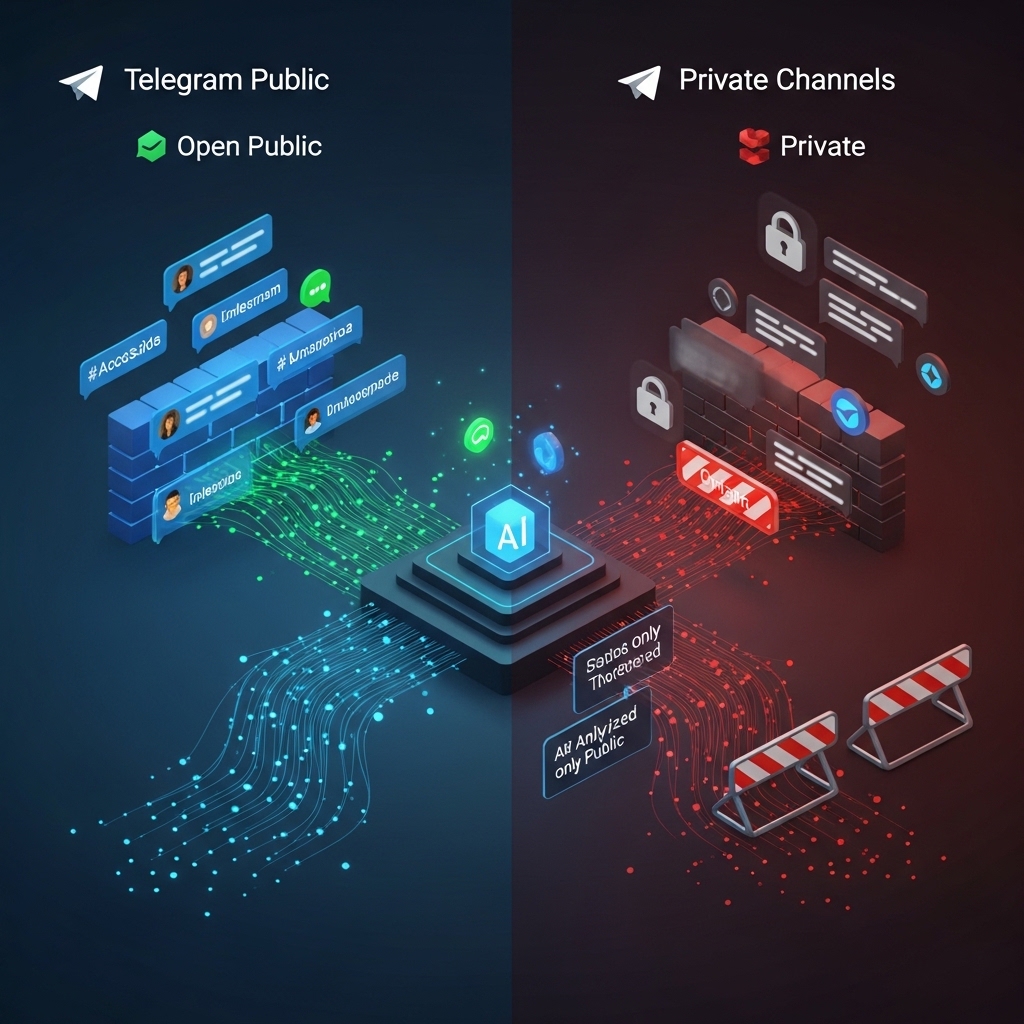
Telegram offers a mix of public and private spaces, and understanding the difference is essential for anyone working with channel or group growth. Public channels and groups have usernames and can be found via search or shared links. Members of these public spaces are not exposed in a single, easily extractable roster the way a private database might be. Instead, activity is visible through engagement metrics like post views, member counts, and public post interactions. This visibility supports transparency and enables legitimate discovery, but it does not grant unfettered access to personal details or a complete member list.
From a data-privacy perspective, what you can observe about public channels is limited to what users freely share in their public profiles and what the platform itself displays publicly. Basic metadata—such as channel titles, descriptions, post timestamps, and engagement counts—may be accessible through official interfaces or compliant third-party tools that operate within Telegram’s terms. Importantly, even for public spaces, sensitive information remains protected, and scraping practices that attempt to extract personal data beyond what is publicly presented cross a line into privacy violations and policy breaches.
Private channels and groups: limits and risks
Private Telegram spaces operate behind invitations or approvals, and membership is not exposed to the public. Access to member lists, contact information, or activity within private channels is tightly controlled. Telegram’s design prioritizes member privacy in these environments, and any attempt to bypass access controls or harvest member details contravenes platform policies and legal expectations. Even if tools claim to “scrape” members from private spaces, such actions often require security circumvention, credential theft, or other illicit methods, all of which carry substantial risk: account suspensions, permanent bans, legal consequences, and harm to individual privacy.
For brands or creators, the key takeaway is clear: attempting to compile private member data without explicit consent undermines trust and violates terms of service. In many jurisdictions, it can also raise GDPR or similar privacy-regulation concerns, particularly if data is used for targeted outreach, profiling, or broad dissemination without user consent. Responsible growth hinges on permission-based engagement and clear value exchange rather than data extraction from private communities.
What you can and can’t scrape: legal and ethical boundaries
What is acceptable tends to hinge on consent, purpose, and the source of data. Public-facing information, such as channel names, descriptions, public post content, and publicly visible engagement metrics, may be used for analysis of content trends and audience interest, provided it respects user privacy and platform terms. Scraping should avoid collecting usernames, real names, phone numbers, or any other personal identifiers not explicitly made public by the user or the platform. Even publicly available data can be misused if aggregated in ways that enable harassment, profiling, or unsolicited outreach.
The ethical line is drawn where data collection begins to resemble stalking, mass outreach without opt-in, or manipulation of members’ communications. Responsible professionals adopt policies that prioritize consent, transparency, and opt-out options. They also document data sources, limit retention, and implement security controls to protect data from unauthorized access. In short, legality is not the only standard; ethics and user trust are equally critical.
Balancing growth with privacy: compliant strategies
Sustainable growth within Telegram should focus on creating genuine value that motivates voluntary engagement. This means:
– Building high-quality content and communities that invite participation and encourage members to share willingly.
– Leveraging official Telegram features, such as channels, groups, and bots, in ways that support user choice and consent, for example, inviting members through opt-in mechanisms or content previews.
– Using analytics that respect privacy, such as aggregate engagement trends from official dashboards or partner tools that operate within terms of service.
– Encouraging members to invite others themselves, rather than harvesting lists, by delivering shareable value propositions and clear calls to action.
When approaching audience research, rely on surveys, polls, or opt-in forms within channels that inform content strategy without compromising privacy. Provide clear descriptions of how data will be used, and offer easy opt-out options. This approach builds trust, reduces churn, and aligns with best practices in user data stewardship.
Alternative approaches: building value without scraping
Instead of attempting to scrape or collect member data, focus on:
– Content resonance: publish topics that address real needs, measured by engagement signals like comments, saves, and reposts.
– Community-driven growth: encourage member-generated content, referrals, and collaborative projects that naturally expand reach.
– Partnerships and cross-promotion: collaborate with other channels and groups where consent-based sharing is part of the arrangement.
– Transparent onboarding: present newcomers with a clear value proposition, welcome messages, and optional pathways to participate in surveys or beta programs.
– Compliance-first marketing: document data-handling practices, obtain consent, and provide clear privacy notices for any data-driven activity.
Best practices for data handling and consent
– Obtain explicit consent before collecting any data not strictly necessary for the service.
– Limit data collection to what is essential for the stated purpose and retain it only as long as needed.
– Anonymize data whenever possible to reduce exposure of personal details.
– Implement robust security measures, including access controls, encryption, and regular audits.
– Provide clear opt-out mechanisms and honor user requests to delete or modify their data.
– Stay updated with Telegram’s terms of service and privacy policies, as well as regional privacy laws that may apply to your audience.
Tools and policy considerations: Telegram’s stance
Telegram emphasizes privacy and security as foundational principles. While developers can use Telegram’s APIs to build legitimate features and integrations, any use that bypasses access controls, harvests private data, or employs automation to mislead or spam users is likely to violate terms. It is important to rely on official APIs for any data-driven activity and to ensure that tools used are compliant and transparent. If a project requires audience insights, prioritize consent-based data collection and opt-in analytics. This protects both users and the organization, and it reduces the risk of penalties or account restrictions.
Ethical storytelling and trust-building in the Telegram ecosystem
In a landscape where privacy concerns are paramount, creators and marketers who demonstrate respect for user data can build stronger, more durable communities. Transparent messaging, value-driven content, and permission-based engagement cultivate loyalty that translates into sustainable growth. By treating members as partners in the journey and communicating clearly about how data is used, brands can achieve meaningful connection without compromising ethics or risking policy breaches.
Putting it into practice: a practical path forward
– Map your goals to consent-driven data: define what you need to know, why you need it, and how you will obtain it with consent.
– Use public-facing signals to understand trends without collecting personal data: post performance, topic interest, and engagement patterns offer valuable insights without divulging private details.
– Design engaging experiences that invite voluntary participation: polls, Q&As, and live sessions encourage members to share preferences willingly.
– Review and update privacy practices regularly: as laws and platform policies evolve, keep governance current and auditable.
– Train teams on responsible data handling: emphasize privacy-by-design principles and provide clear escalation paths for privacy concerns.
In the end, navigating public data versus private channels on Telegram requires a careful balance of curiosity, ambition, and ethical restraint. By prioritizing consent, transparency, and value, creators can grow vibrant communities while safeguarding member trust and staying aligned with platform rules. This approach not only reduces risk but also enhances credibility, turning every interaction into an opportunity to demonstrate responsibility and care for the audience.