What is Telegram scraping and why it matters for market research
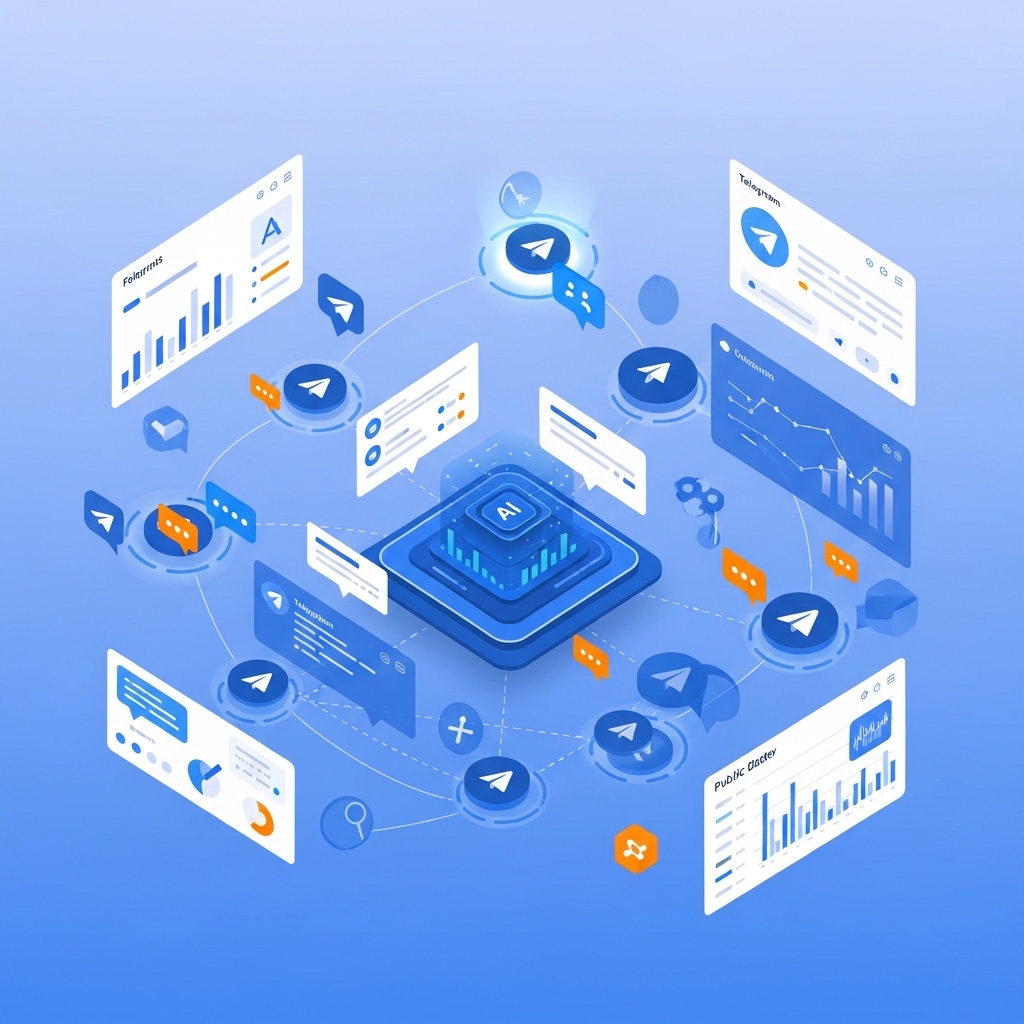
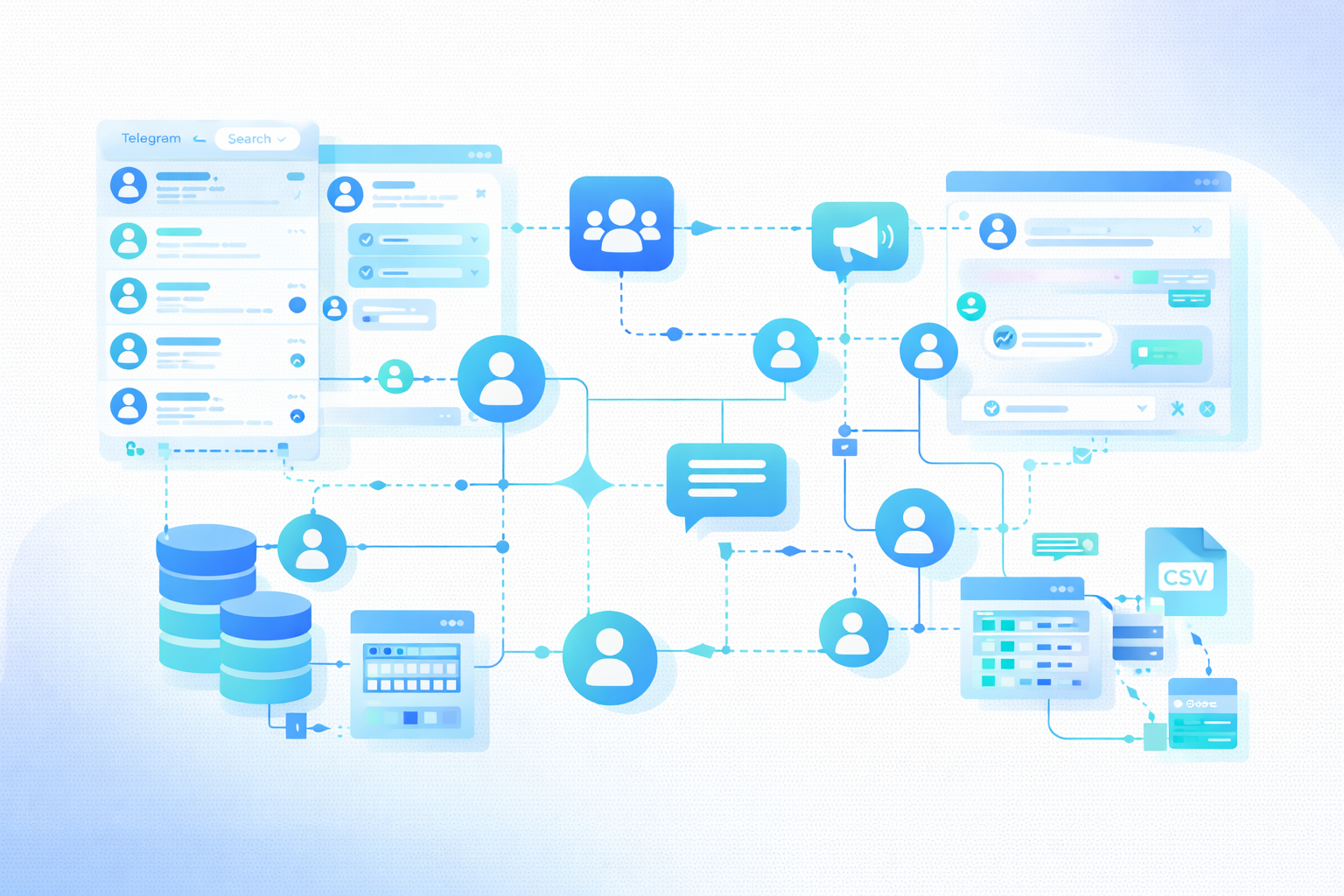
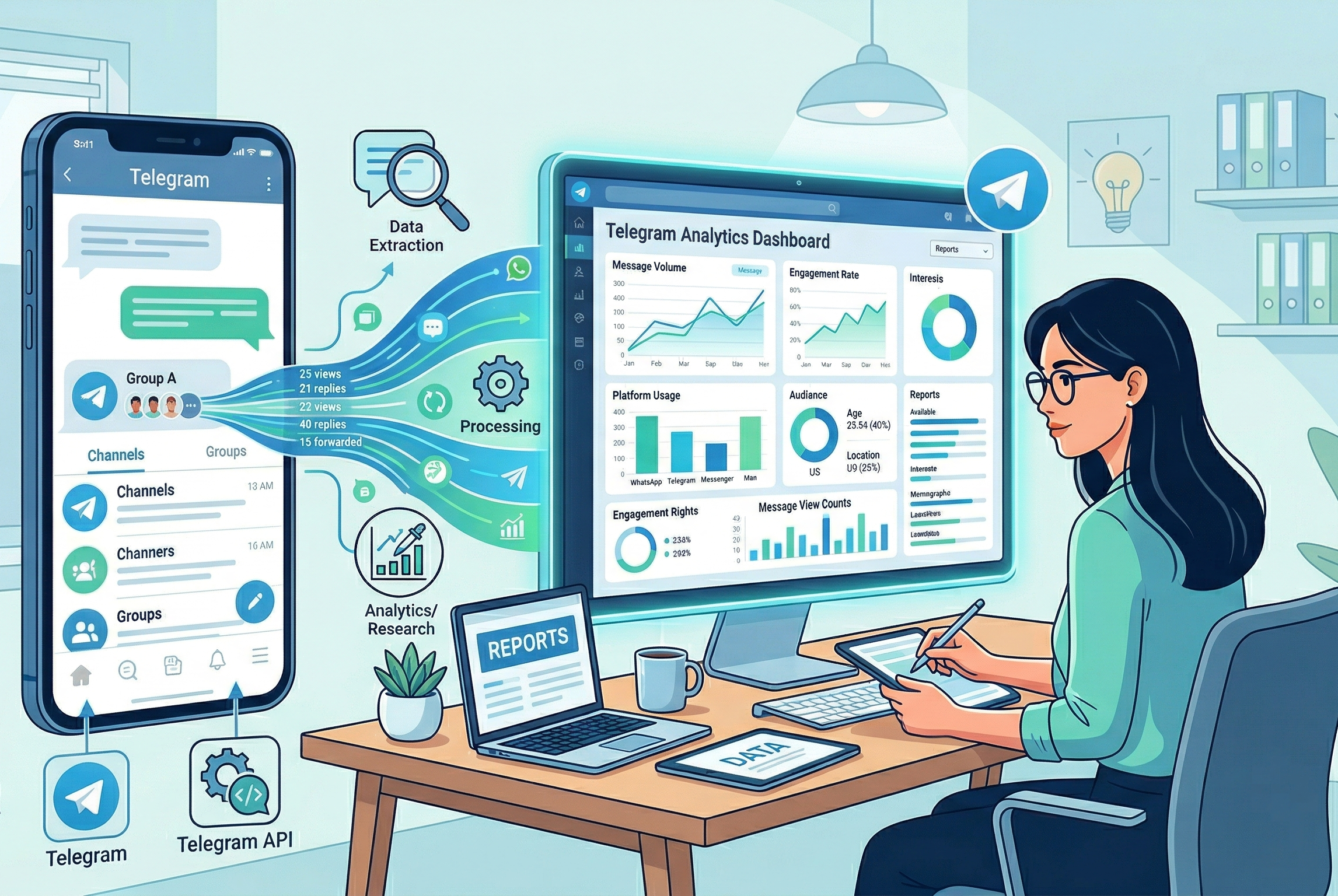
Telegram scraping refers to the practice of collecting publicly available data from Telegram groups, channels, or user profiles to extract information such as member counts, usernames, post metadata, and engagement signals. In the world of market research, this kind of data can seem attractive because Telegram is a hub for communities, including interest groups, fans, and niche enthusiasts. For researchers, the appeal lies in understanding audience size, activity patterns, content trends, and potential interest signals. However, the value comes with important caveats: data quality can be uneven, consent may be lacking, and legal and ethical boundaries vary by jurisdiction. When used responsibly, high-level observations about public discourse and behavioral trends can inform product design, messaging, and channel strategy without crossing privacy lines.
Why brands consider Telegram data in research
Telegram hosts vibrant communities around many topics, from technology and gaming to travel and finance. For market researchers, these communities can reveal:
– Public sentiment and conversations around specific topics or brands
– Content formats and posting times that resonate with members
– The size and growth trajectory of groups and channels
– Influence dynamics, including key moderators and highly active participants
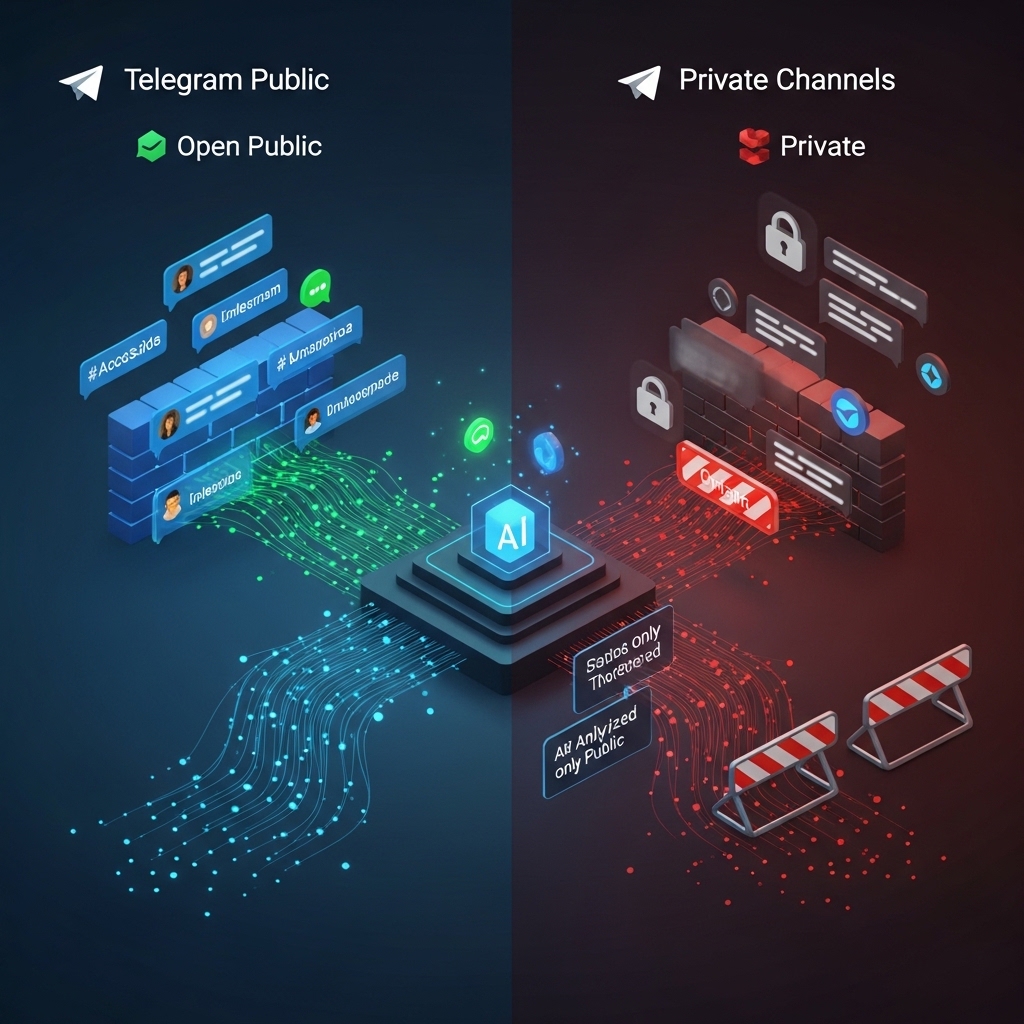
These insights can help teams tailor campaigns, choose relevant channels for outreach, and validate hypotheses about audience interests. Yet, it is essential to distinguish between passive observation of public chatter and invasive data collection that targets individuals or aggregates data without consent. The most responsible approach focuses on aggregated trends and opt-in research methods rather than scraping personal data or building contact lists without permission.
Legal and ethical considerations to weigh
Data protection and privacy laws vary by country, but several core principles apply universally in responsible market research. First, avoid collecting data that identifies individuals without explicit consent. Even when data is publicly accessible, users may not expect their comments or usernames to be aggregated into a research dataset or marketing outreach list. Second, be mindful of Telegram’s terms of service and any platform-specific policies regarding data collection and automation. Some activities that resemble scraping can trigger account suspension or legal action, especially if they involve bypassing protections, rate limits, or accessing data beyond what is publicly visible. Third, consider data minimization and purpose limitation: collect only what you need for a clearly defined research objective and retain it only as long as necessary. Finally, ensure that your research design respects user intent and avoids manipulation or targeted outreach that could be perceived as coercive or intrusive.
Ethical and practical alternatives for compliant research
Rather than attempting large-scale scraping, several safer approaches can yield valuable insights:
– Publicly reported signals: Track publicly visible metrics such as group member counts, posting frequency, and engagement indicators over time to identify trends.
– Survey and consent-based panels: Invite participants from relevant Telegram communities to opt in to surveys, ensuring informed consent and data protection measures.
– Channel benchmarking with permission: Work with channel admins or group moderators to access anonymized analytics or aggregated metrics that do not reveal individual identities.
– Public sentiment analysis on consented platforms: Use general social listening on platforms where participants have provided consent for data use, then triangulate with qualitative insights from Telegram discussions.
Best practices for data privacy and responsible research
– Anonymize and aggregate: When reporting findings, present data in aggregate form that prevents identification of individuals or usernames.
– Seek consent where possible: If you intend to use any Telegram-derived data for outreach or profiling, obtain explicit permission from participants or channel administrators.
– Document governance: Maintain a clear data governance plan that outlines data sources, collection methods, retention periods, access controls, and disposal procedures.
– Be transparent in reporting: In any published research, note the data origins, limitations, and ethical considerations so readers can assess credibility and bias.
– Respect rate limits and platform policies: Avoid actions that could disrupt services, compromise security, or violate terms of service.
How to design a compliant market research plan around Telegram audiences
– Define objectives clearly: Specify what you want to learn about audience interests, messaging resonance, or content formats without attempting to identify individuals.
– Choose legitimate data sources: Rely on publicly available, aggregated indicators and, where possible, opt-in data collection from participants who understand how their data will be used.
– Establish inclusion criteria: Focus on communities with transparent governance, clear moderation, and publicly stated data-use policies.
– Create a privacy-by-design workflow: Build processes that minimize data collection, encrypt sensitive information, and implement access controls for researchers.
– Validate insights with complementary methods: Use surveys, interviews, or experiments to confirm Telegram-derived hypotheses in a privacy-conscious way.
Interpreting Telegram signals responsibly for marketing decisions
When interpreting signals from Telegram communities, focus on macro-level patterns rather than micro-level profiling. For example, a surge in discussions around a feature, product category, or concern may indicate unmet needs or emerging preferences among enthusiasts. Correlate these signals with other data sources such as customer feedback, support tickets, or market reports to build a holistic view. Be cautious about overgeneralizing from a single channel or group, and acknowledge that Telegram audiences may not represent broader customer segments.
Technology and methodology considerations without enabling misuse
If exploring Telegram data as part of legitimate research, prioritize methods that respect user privacy and platform terms. Consider using analytics that aggregate engagement trends across multiple public channels, rather than attempting to extract individual contact information or build outreach lists. Emphasize outcomes like understanding content resonance, identifying high-level topics of interest, and planning informed outreach strategies that align with user consent and privacy expectations. The goal is to gain informed, ethical, and compliant insights that support product development, customer engagement, and responsible marketing.
A trusted approach for organizations pursuing responsible insights
Organizations aiming to leverage Telegram as part of market research should couple curiosity with care. By adhering to ethical guidelines, legal requirements, and transparent reporting, researchers can uncover meaningful patterns while protecting user autonomy. The resulting insights can inform content strategy, community engagement, and product messaging in a way that respects privacy and builds trust with audiences. This balanced perspective helps teams navigate the opportunities of Telegram research without compromising ethical standards or legal obligations.